
Integrated Brain & Body Care in Wesley Chapel, Florida
Digestive issues can quietly take over your life.
Bloating, cramping, reflux, constipation, diarrhea, or unpredictable bowel habits can make daily routines stressful and exhausting. Many people feel like they are constantly thinking about food, bathrooms, or how their body will react even when tests come back “normal.”
At Peak Brain and Body, we understand how frustrating unresolved digestive issues can be. Many of the people we see have already tried elimination diets, medications, probiotics, or supplements often with only temporary or partial relief.
Our focus is not just on calming symptoms, but on identifying why the digestive system is dysregulated in the first place and how it connects to the brain, immune system, hormones, and metabolism.
If this resonates, it often means your digestive system is driving inflammation beyond the gut itself — not just causing stomach symptoms.
Digestive issues can show up in many ways. Some of the more common patterns we work with include:
While these diagnoses look different on paper, many share common underlying drivers.

Digestive issues are rarely caused by food alone. In most cases, they develop when gut function, nervous system signaling, immune balance, and metabolic health fall out of sync.
The digestive system is closely connected to the nervous system through the gut–brain axis.
When brain-to-gut signaling is disrupted, it can affect:
This is why stress, anxiety, or neurological dysfunction often worsen digestive symptoms even without structural disease.
The gut microbiome plays a critical role in digestion, immune regulation, and inflammation.
Imbalances can include:
These patterns can lead to bloating, discomfort, nutrient malabsorption, and systemic symptoms like fatigue, brain fog, joint pain, and skin issues.
A large portion of the immune system resides in the gut.
When the gut lining is inflamed or overly permeable, it can:
This is commonly seen in celiac disease, IBD, eczema, autoimmune conditions, and chronic joint pain.
Some foods trigger immune responses, while others overwhelm digestive capacity.
This does not mean food is “bad,” but rather that:
Identifying true sensitivities versus digestive overload is key.
Chronic stress shifts the body out of “rest and digest” mode.
This can:
Many people notice their worst digestive symptoms occur during emotional or mental stress not just after meals.
Blood sugar instability, thyroid dysfunction, and hormonal changes can all affect gut function.
These factors influence:
Which helps explain why digestive symptoms fluctuate throughout the day or month.
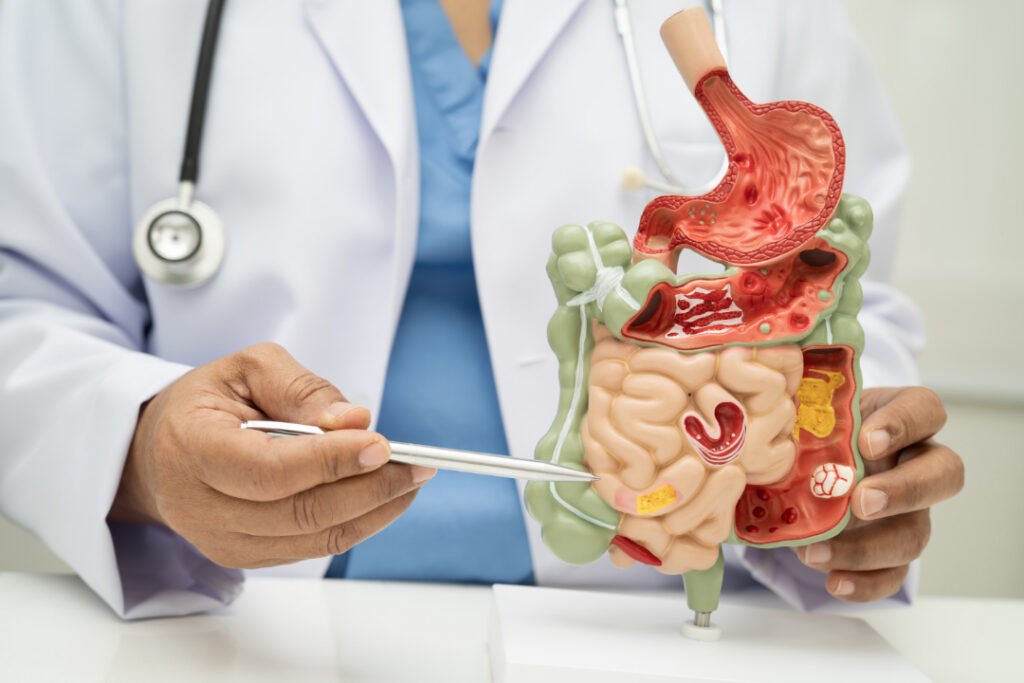
Certain medications can significantly impact digestive function even when they are necessary or helpful for other conditions.
Medication classes commonly associated with digestive symptoms include:
This does not mean medications are “bad” or should be stopped without guidance. However, long-term use can shift digestion, immune signaling, and gut–brain communication.
Understanding medication effects allows us to:
For many individuals, medication impact is an overlooked reason digestive symptoms persist.
We take a whole-person approach to digestive issues not just symptom labeling.
We evaluate:
This helps us understand how the nervous system is influencing digestion.
We assess:
Testing may include:
Testing is used strategically never as a fishing expedition.
You receive a clear explanation of:
Digestive care at Peak Brain & Body is never one-size-fits-all. Most individuals follow one of three paths:
Best when contributors include:
This path focuses on restoring gut balance and reducing immune stress.
Best when symptoms are strongly influenced by:
This path supports digestive regulation from the nervous system level.
Most people benefit from an integrated approach combining:
This coordinated approach supports both symptom relief and long-term digestive resilience.

Care is paced conservatively and designed to work alongside your medical providers when needed. Our goal is to support healing not overwhelm the system.
Because gut-driven inflammation can activate immune responses throughout the body, including joints and skin.
No. Stress influences gut function, but real physiological patterns are involved.
Often yes — because diet alone rarely addresses nervous system and immune drivers.
Most aspects can be supported virtually; in-depth neurological evaluation often benefits from in-person care if this is needed.
Step 1 – Discovery Call or Strategy Consult
Discuss symptoms, history, and goals.
Step 2 – Precision Evaluation
Comprehensive neurological and functional assessment.
Step 3 – Report of Findings
A clear, personalized plan to restore digestive balance.
If digestive issues have been controlling your life rather than the other way around there is a more complete way to approach healing.
Call 813-838-4005 or request a discovery call to see if our approach is right for you.
When the gut improves, inflammation calms and the whole system benefits.
Fasano, A. (2020). All disease begins in the gut: Leaky gut and autoimmune diseases. Clinical Reviews in Allergy & Immunology, 59(3), 305–315.
You may also want to read about Brain Fog, Autoimmunity, Dysautonomia & POTS, Lab Testing, and Functional Medicine, since these areas often overlap with digestive issues.
Medically Reviewed by: Spencer Zimmerman, FNP-C, DC, DACNB
Last Updated: February 2, 2026
At our dedicated doctor’s office, we take immense pride in the care and service we provide to our patients. Here, you can discover the genuine experiences and heartfelt feedback from those who have entrusted us with their health and well-being. These testimonials offer valuable insights into the compassionate and expert care that defines our practice. We are grateful for the trust our patients place in us and invite you to explore their stories, which reflect the exceptional standard of healthcare we aim to deliver every day.
Finally unravel the mysteries of your brain health issues so you can pave the way to lasting clarity and well-being by scheduling a time to speak with our team.