
Integrated Brain & Body Care in Wesley Chapel, Florida
At Peak Brain and Body, vision therapy is not about strengthening the eyes it’s about retraining how the brain processes, integrates, and uses visual information.
Many of our patients are surprised to learn that even though they can see clearly, their visual system may be placing constant strain on their brain. This strain often shows up as fatigue, brain fog, headaches, dizziness, poor concentration, or a sense of being overwhelmed especially during reading, screen use, or busy environments.
This is why vision therapy must be neurologically precise, highly individualized, and fully integrated. Anything less often leads to limited or temporary results.
This care is for people whose symptoms don’t just affect their eyes but affect how they live their lives.
People who:
Many of these individuals were once highly capable, driven, and productive. Over time, symptoms quietly chipped away at their confidence, energy, and sense of control.
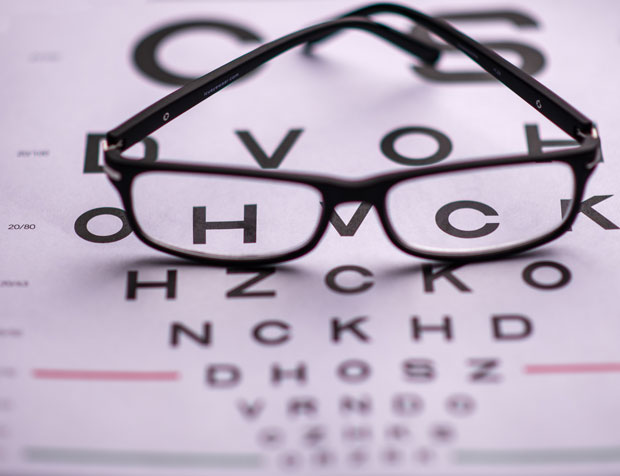
Traditional vision therapy or optometric vision rehab often focuses only on:
While these tools can be helpful, vision therapy performed in isolation frequently plateaus, especially for individuals with neurological, vestibular, autonomic, or systemic involvement.
Vision does not operate independently.
Effective visual processing depends on:
If these systems aren’t addressed together, the brain continues to compensate and symptoms persist.
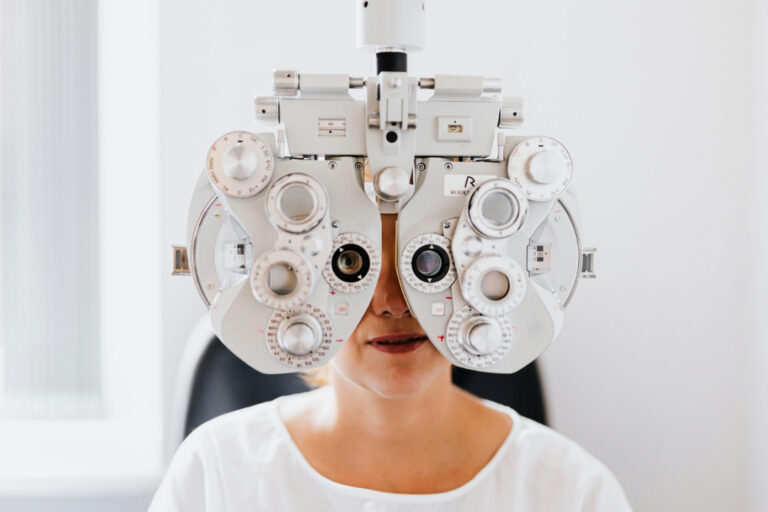
We are one of very few clinics in the United States that provides vision therapy within a fully integrated neurological and physiological care model.
This is why many of our patients improve even after failed vision therapy elsewhere.
Vision therapy at Peak Brain and Body is:
We do not use generic exercise sheets or one-size-fits-all protocols.
Most of the individuals we see have already tried:
They improve here because:
We don’t repeat what didn’t work we identify why it didn’t work.
If visual tasks drain your energy, worsen your symptoms, or limit your daily life and you’ve been told your eyes are “fine” it may be time for a more complete approach.
Vision therapy works best when it is targeted, integrated, and neurologically informed.

No.
Many people who benefit from vision therapy have 20/20 vision or wear the correct prescription. Vision therapy addresses how the brain uses visual information, not how clearly you see an eye chart.
Yes, this is very common.
Most patients we see have already done some form of vision or vestibular therapy. They improve here because our care is far more specific, data-driven, and integrated with other neurological systems that are often overlooked.
Most clinics focus only on the eyes.
We integrate objective eye movement data, balance and vestibular function, cervical input, and internal physiology to create a complete neurological treatment plan. This integrated model is what allows results where others plateau.
Yes.
Therapy is carefully progressed based on your tolerance and neurological response. The goal is to challenge the system without overwhelming it, allowing the brain to adapt safely and effectively.
Your initial visit focuses on understanding your symptoms, performing objective testing, and determining whether integrated vision therapy is appropriate for you. If so, we outline a clear, personalized plan—so you know exactly what you’re working toward.
If you’ve been searching for answers and feel like you’ve “done everything already,” it may not be that nothing works it may be that the right approach hasn’t been applied yet.
When you’re ready, the next step is to schedule a consultation and see whether integrated vision therapy is the missing piece.
Leigh, R. J., & Zee, D. S. (2015). The neurology of eye movements (5th ed.). Oxford University Press.
Bronstein, A. M. (2016). Multisensory integration in balance control. Handbook of Clinical Neurology, 137, 57–66.
Padula, W. V., Argyris, S., & Ray, J. (1994). Visual evoked potential changes as a result of sports-related trauma. American Journal of Optometry and Physiological Optics, 71(3), 145–150.
You may also want to read about Functional Neurology, Dysautonomia & POTS, Concussion, Chronic Fatigue, Brain Fog, and Oculomotor Testing, since these areas often overlap with many of the symptoms as well as testing for those who may choose vision therapy
Medically Reviewed by: Spencer Zimmerman, FNP-C, DC, DACNB
Last Updated: February 2, 2026
At our dedicated doctor’s office, we take immense pride in the care and service we provide to our patients. Here, you can discover the genuine experiences and heartfelt feedback from those who have entrusted us with their health and well-being. These testimonials offer valuable insights into the compassionate and expert care that defines our practice. We are grateful for the trust our patients place in us and invite you to explore their stories, which reflect the exceptional standard of healthcare we aim to deliver every day.
Finally unravel the mysteries of your brain health issues so you can pave the way to lasting clarity and well-being by scheduling a time to speak with our team.