
Integrated Brain & Body Care in Wesley Chapel, serving the greater Tampa area
PTSD, short for post-traumatic stress disorder, is not a weakness and it’s not “just in your head.” It’s a condition where the brain and nervous system get stuck in survival mode.
Many people with post-traumatic stress disorder have done everything they were told to do: therapy, medications, coping strategies – yet their body still reacts as if danger is always present. Sleep stays disrupted. Anxiety feels automatic. Fatigue sets in. Triggers feel unpredictable.
At Peak Brain and Body, we understand that post-traumatic stress disorder (PTSD) cannot be fully addressed by viewing it only through a psychological lens. Trauma changes how the brain and nervous system function, and meaningful recovery requires addressing those changes directly.
Our approach focuses on restoring nervous system regulation, brain function, and whole-body resilience so your system can finally begin to feel safe again.
If this feels familiar, you’re not broken – your nervous system is simply stuck in protection mode.
Not everyone who experiences trauma develops post-traumatic stress disorder. In fact, it’s estimated that only about 10% of people exposed to trauma go on to develop persistent PTSD symptoms.
The difference is not willpower or mindset – it’s the health and adaptability of the nervous system before, during, and after trauma.
The way a person responds to trauma is strongly influenced by the health and resilience of their nervous system at the time the trauma occurs.
When a traumatic event happens, the body naturally shifts into a survival response (fight, flight, or freeze). In a healthy nervous system, this response activates when needed and then turns back off once the danger has passed.
In PTSD, that reset does not fully occur. The nervous system remains stuck in protection mode, even when the threat is no longer present.
Several factors can increase vulnerability to this pattern in post-traumatic stress disorder, including:
When these factors are present, trauma is more likely to leave a lasting imprint on the nervous system. This can lead to:
This is not a personal failure it is a physiological adaptation to survive, and it can be improved with the right support.
Trauma affects how the brain regulates stress hormones such as adrenaline and cortisol.
In a healthy system:
In PTSD:
This contributes to:
Trauma alters how the brain processes threat and memory.
Key brain regions involved include:
In post-traumatic stress disorder:
This explains why sights, sounds, smells, or situations can trigger flashbacks, fear responses, or nightmares even when the person logically knows they are safe.
Normally, higher brain centers activate the parasympathetic (“rest and digest”) system to calm the body after stress. These higher brain centers also regulate the parts of the brain and networks that become dysfunctional with PTSD.
In PTSD especially when trauma overlaps with:
these calming pathways are often underactive, leading to an overexpressed fight-or-flight response.

PTSD can develop from many experiences beyond emotional events, including:
Brain injury or concussions increase the likelihood of developing PTSD following a trauma. This helps explain why talk therapy or medication alone may not be enough and leaves individuals frustrated that they aren’t seeing the desired improvements.
We take the time to truly understand what your nervous system is doing not just how you feel.
We assess:
This allows us to identify where the system is stuck and what needs support.
We also evaluate factors that influence nervous system recovery, including:
You’ll receive a clear, compassionate explanation of:
Care is never one-size-fits-all. Most individuals with PTSD follow one of three paths:
Best when symptoms are driven by:
This path uses targeted neurological-based exercises to improve regulation and safety signaling.
Best when contributors include:
This path supports the internal environment needed for nervous system recovery.
Most people benefit from an integrated approach to post-traumatic stress disorder combining:
This coordinated approach helps the system relearn safety.
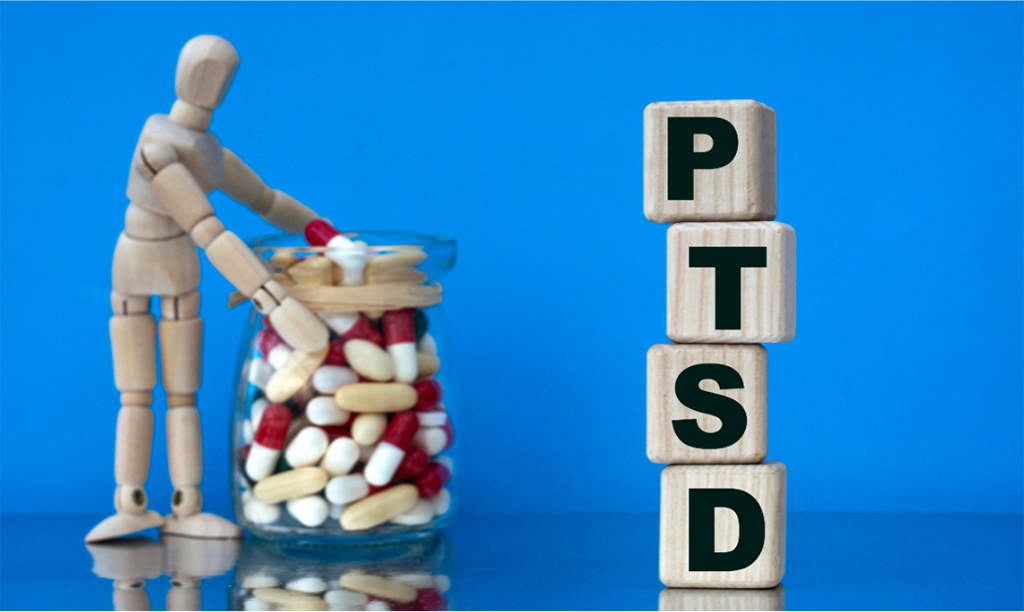
Healing from PTSD requires more than protocols it requires feeling safe and understood.
At Peak Brain & Body:
We believe healing happens best in an atmosphere of trust, positivity, and respect.
No. PTSD involves measurable changes in brain and nervous system function.
No. Our approach focuses on regulation and recovery, not repeated re-exposure.
Many patients seek us out for that exact reason.
Some elements can be done virtually; we’ll guide you on what requires in-person care.
Step 1 – Discovery Call or Strategy Consult
Discuss your experiences, symptoms, and goals.
Step 2 – Precision Evaluation
Comprehensive neurological and functional assessment.
Step 3 – Report of Findings
A clear, personalized plan to support nervous system recovery.
If PTSD has left you feeling stuck, exhausted, or misunderstood there is a different way forward.
Call 813-838-4005 or request a discovery call to see if our approach is right for you.
Your nervous system can learn safety again with the right support.
Van der Kolk, B. A. (2014). The body keeps the score: Brain, mind, and body in the healing of trauma. Viking.
Bryant, R. A. (2011). Post-traumatic stress disorder vs traumatic brain injury. Dialogues in Clinical Neuroscience, 13(3), 251–262.
You may also want to read about Functional Neurology, Dysautonomia & POTS, Concussion, Traumatic Brain Injury, and Oculomotor Testing as there are many tests and causes of PTSD that should be considered
Medically Reviewed by: Spencer Zimmerman, FNP-C, DC, DACNB
Last Updated: February 2, 2026
At our dedicated doctor’s office, we take immense pride in the care and service we provide to our patients. Here, you can discover the genuine experiences and heartfelt feedback from those who have entrusted us with their health and well-being. These testimonials offer valuable insights into the compassionate and expert care that defines our practice. We are grateful for the trust our patients place in us and invite you to explore their stories, which reflect the exceptional standard of healthcare we aim to deliver every day.
Finally unravel the mysteries of your brain health issues so you can pave the way to lasting clarity and well-being by scheduling a time to speak with our team.